


 Özgül Yavuz Kaddoura
Updated Date:
The Agentic Shift: Google's 2026 ALF & UCP Updates
From Automation to Autonomy
Digital advertising is moving from automated marketing to agentic marketing. Two developments around the start of 2026 show where things are heading: Google published details of ALF (Advertiser Large Foundation Model), the AI model behind its ad safety systems, and launched the Universal Commerce Protocol (UCP) for AI-led shopping. For years, marketers managed keywords and bids. Increasingly, they manage signals and AI agents.
In this landscape, your technology stack matters more than ever. As Google's AI takes on more of the buying and selling, the quality of your data, from your analytics to your click fraud protection, becomes the fuel for growth. This article explains the key changes of 2026 and what they mean for advertisers. If you're just getting started, our small business guide to click fraud protection covers the basics.
ALF and the Unified Representation of Advertisers
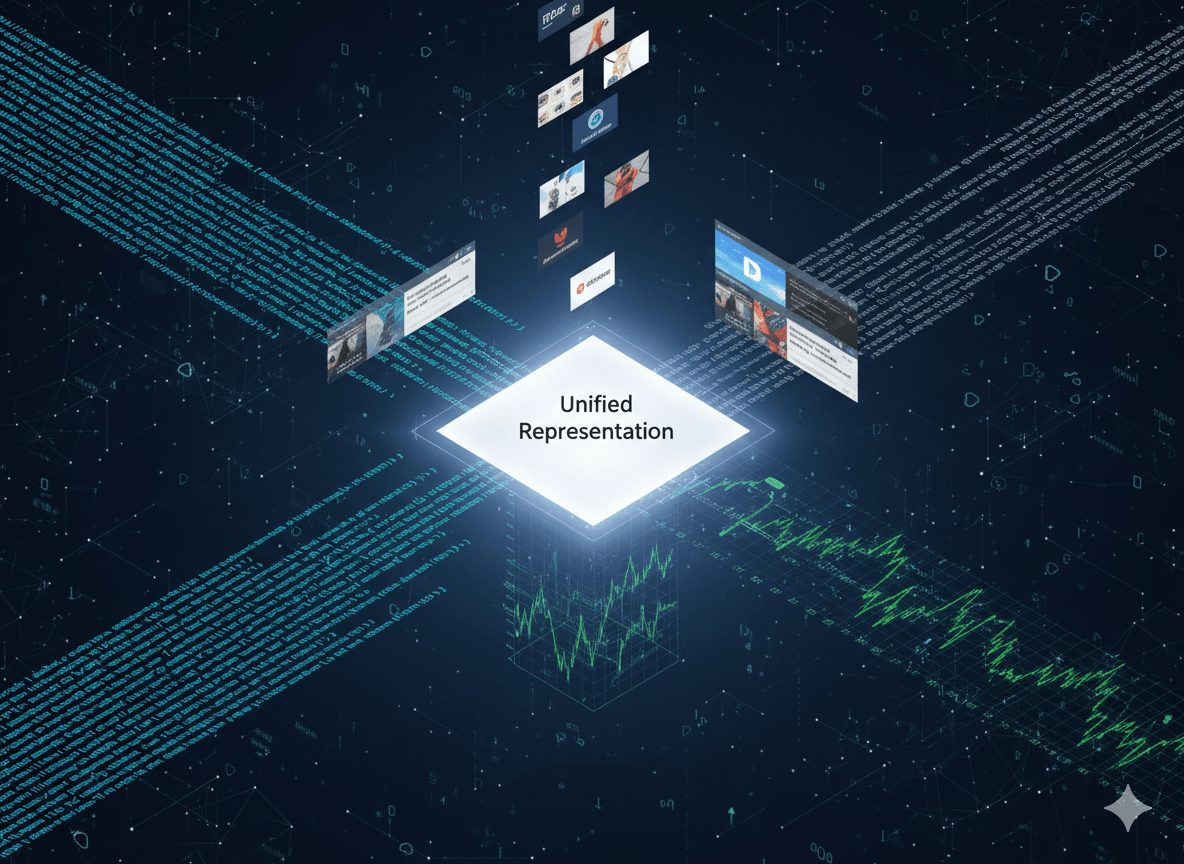
ALF (Advertiser Large Foundation Model) is a multimodal model Google uses in its ad safety systems. Instead of reviewing ads one by one, it looks at the whole advertiser: ad text, images and video, along with account signals such as account age, billing details and past performance. It combines all of this into a unified representation of each advertiser to detect fraud and policy violations that single signals might miss.
The Impact on Marketing Strategy
For marketing teams, the lesson is consistency. ALF evaluates advertisers as a whole, so your creative assets, landing pages and account details should tell the same story.
Confidence scores: According to Google's researchers, ALF produces confidence scores about whether an advertiser may be acting maliciously. Google hasn't published how these scores affect ad delivery, so treat claims about "trust scores" unlocking premium inventory with caution.
The risk: ALF is built to catch bad actors, not to judge your traffic. But unchecked bot traffic and click fraud still distort your own data, so the signals you send Google's bidding systems drift away from reality. Protecting your traffic quality is about more than saving budget: it keeps the AI that runs your campaigns learning from real customers.
Universal Commerce Protocol (UCP): Shopping Without the Click
One of the most disruptive updates of 2026 is the Universal Commerce Protocol (UCP). As Google explains, this open standard gives AI agents a shared way to discover products, complete purchases and handle post-purchase support, so shoppers can buy through an AI agent, sometimes without visiting your website.
Imagine a shopper asking an AI assistant for the best running shoes for flat feet under $150. The agent compares options, may show a retailer's exclusive discount through Google's Direct Offers pilot, and completes checkout with UCP, all inside the conversation.
The marketing challenge: In this scenario, the traditional funnel gets shorter. You're no longer optimizing only for a human click; you're also optimizing for how an AI agent evaluates your products, prices and data.
Data integrity: If your analytics are inflated by click fraud, such as bots that mimic high-intent visitors, you might shape pricing and inventory around demand that doesn't exist. To compete in the UCP era, your performance data must reflect real customers, especially as tools like Google's Business Agent start learning from your brand's data. Learn how advanced detection techniques help protect this data.
The Power Pack: Google's New Campaign Mix

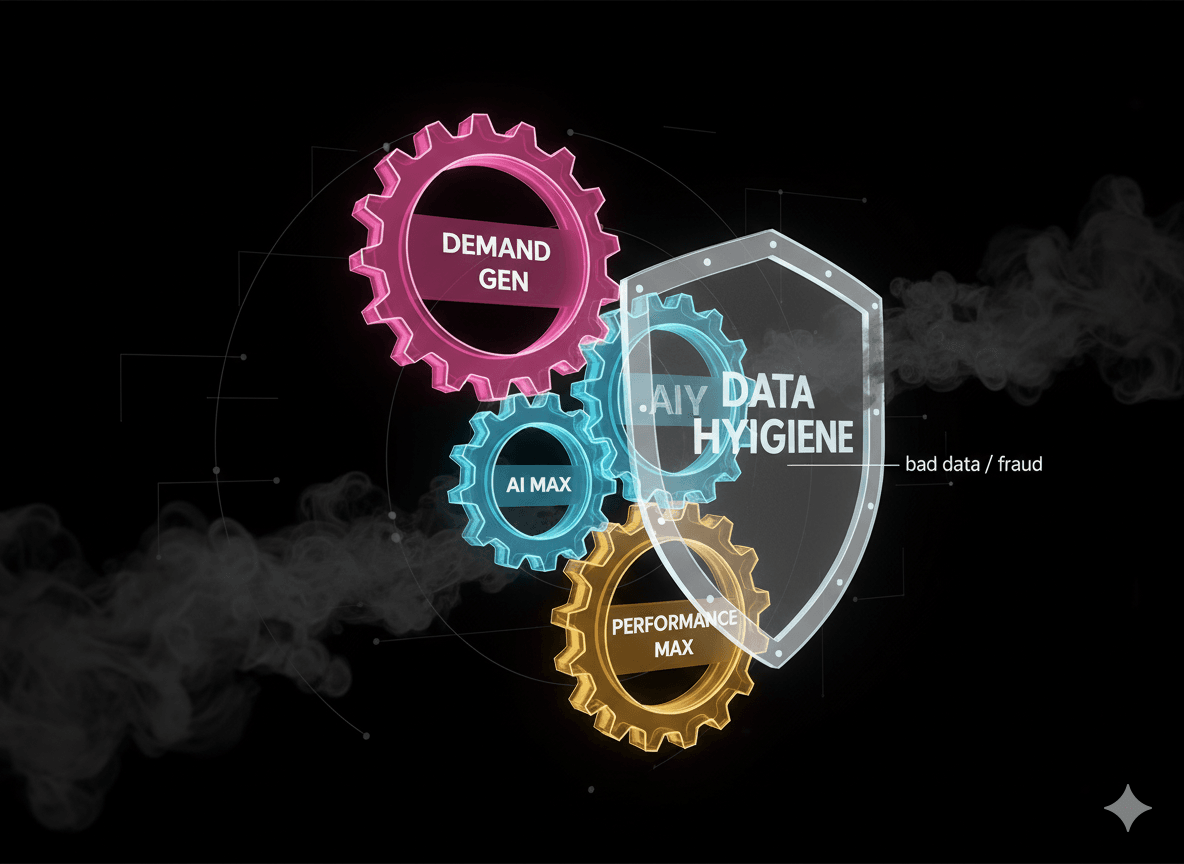
Google now recommends the Power Pack, a combination of Demand Gen, AI Max for Search and Performance Max, building on its earlier "Power Pair" of broad match Search and Performance Max. Introduced in September 2025, the approach is shaping how many advertisers plan their campaigns for 2026.
| Demand Gen | Creates demand with visual ads on YouTube, Discover and Gmail. |
| AI Max for Search | Captures intent by expanding search matching and using generative AI to tailor ad text to each query. |
| Performance Max | Drives conversions across Google's channels, with options like new customer acquisition's high-value mode to prioritize customer lifetime value. |
Marketing in 2026 is about making these three systems work together. But this automation has a weak spot: Smart Bidding depends heavily on data. If click fraud gets into your Demand Gen campaigns, the bad signals can carry over into your other campaigns, and the system starts optimizing toward fake traffic. A protection layer like ClickSambo helps keep fraudulent clicks out of the Power Pack, so your reports and bidding rely on cleaner data.
Meridian: Privacy-Safe Measurement

As privacy rules limit user-level tracking, Google made Meridian, its open-source marketing mix modeling (MMM) tool, generally available in early 2025. Meridian uses Bayesian statistics to estimate which channels actually drove revenue.
A different kind of analytics: Meridian doesn't track individual users. It works with aggregated data such as spend, impressions and sales to model the impact of each channel. It's a big part of the future of privacy-safe ad measurement.
The garbage in, garbage out problem: MMMs are only as good as their inputs. If invalid traffic inflates the clicks and impressions you feed into the model, it can overstate the impact of the channels hit hardest by fraud. To get a reliable read on your marketing ROI with Meridian, clean your traffic data before it reaches the model.
The Signal-First Strategy

The technology of 2026, from ALF to UCP, has made digital marketing more powerful but less forgiving. As AI takes over more of the ad copy and bidding, the winners will be the advertisers with the best data, not just the best creative.
Your priority is signal quality: make sure the signals you send Google, from conversions to engagement, come from real customers. By blocking click fraud and keeping your analytics clean, you help Google's AI tools work for you, not against you. In the age of AI, clean data is one of your strongest competitive advantages. Start your free ClickSambo trial to protect your campaigns.
As Google shifts to Agentic AI, fraud evolves. Secure your future campaigns with ALF-compatible defense.
 Get 2026 Ready
Frequently asked questions
ALF (Advertiser Large Foundation Model) is a multimodal AI model Google uses in its ad safety systems. It analyzes ad text, images and video together with account signals like billing details and account history to detect fraud and policy violations. For legitimate advertisers, the takeaway is to keep your account details, ads and landing pages consistent and accurate.
The Power Pack (Demand Gen, AI Max for Search and Performance Max) relies heavily on automated bidding. If click fraud gets into your funnel, these algorithms learn from bad data and start spending your budget on bots instead of real customers. ClickSambo helps by excluding fraudulent IPs in Google Ads and flagging fraudulent clicks, so Smart Bidding is fed with signals from real customers.
UCP (Universal Commerce Protocol) is an open standard that lets AI agents discover products, complete checkout and handle post-purchase support on behalf of shoppers, sometimes without them visiting your website. This shifts marketing from attracting clicks toward keeping your product data, prices and performance signals accurate, so AI agents can recommend your products with confidence.
Yes. Meridian uses Bayesian statistics to measure ROI. If your input data contains 15-20% invalid traffic (fraud), the model's output will be flawed. Clicksambo ensures only clean, human data feeds into your measurement models for accurate results.





 Other
Other