 Features
  Industry Verticals
  Customer Segments
  Fraud Types
  Resource
 About
About  Legal
Legal Support

 Özgül Yavuz Kaddoura
Updated Date:
AI Max for Search: A Strategic Guide to Google Ads Efficiency
What is AI Max for Search?
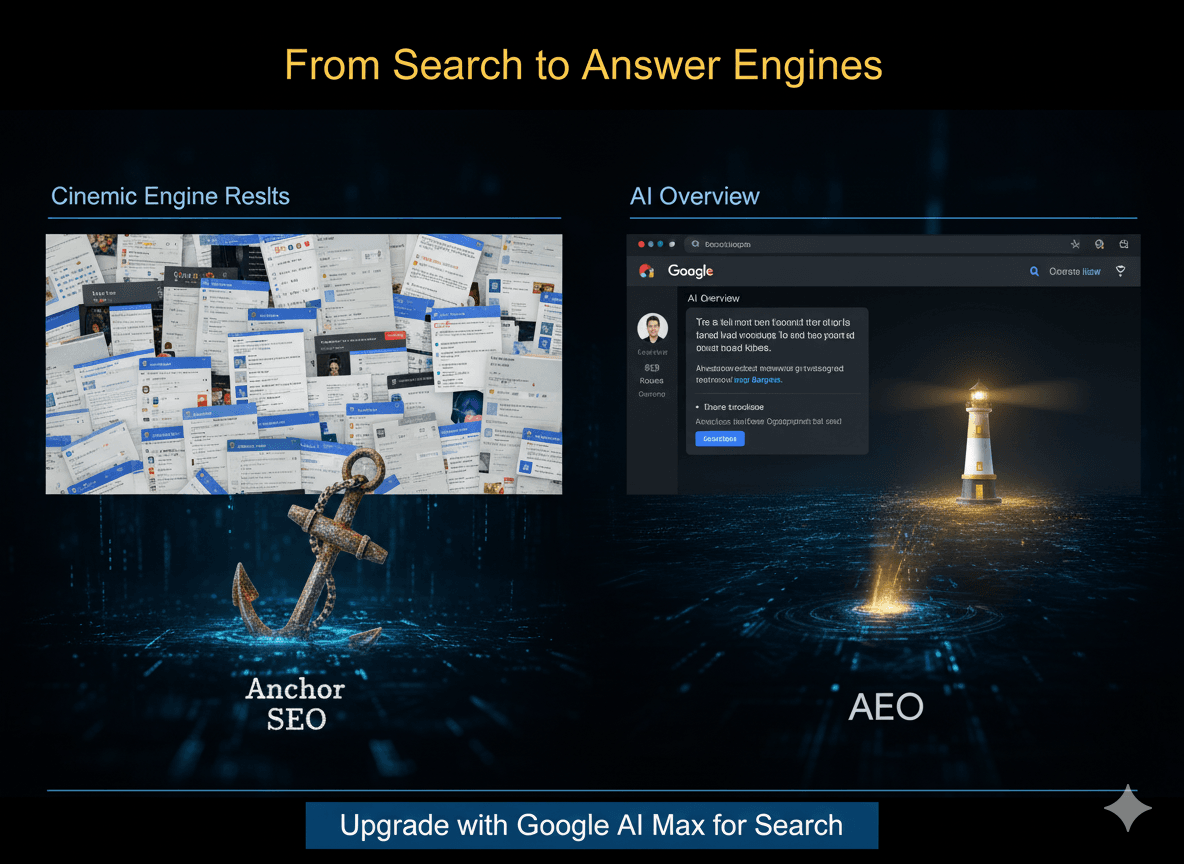
AI Max for Search represents the most significant update to the Google Ads ecosystem in 2025. It acts as a sophisticated optimization layer integrated into search network campaigns. By transforming traditional keyword structures into an intent-based matching model, AI Max for Search enables advertisers to respond to user needs within seconds. Instead of remaining tethered to static lists, the system utilizes Google's most advanced Large Language Models (LLMs) to scale campaign reach.
The Three Core Pillars of AI Max for Search

Understanding the interaction of these three mechanisms is critical when building your marketing strategy:
| Search Term Matching | By utilizing Google's LLM models, it captures high-intent queries that are not in your keyword list. | |
| Asset Optimization | This Gemini-powered feature personalizes headlines and descriptions in real-time. | |
| Final URL Expansion | It directs the user to the most relevant specific subpage for their search intent, rather than just your homepage. |
AI Max for Search and Sectoral Performance Dynamics

Global adoption rates of AI Max for Search are showing a significant increase, particularly in accounts with high data depth. According to data shared by Google, advertisers activating the AI Max for Search feature capture an average 14% increase in conversions. This rate can reach as high as 27% for campaigns transitioning from keyword-focused structures to intent-based structures.
➔ Legal and Professional Services: AI Max for Search acts as an ideal network tool to capture long-tail intent queries that manual research might overlook.
➔ E-Commerce and Retail: While AI Max for Search simplifies the management of extensive product catalogs in this sector, extra attention must be paid to "budget efficiency management". When optimizing Search Partner Network (SPN) traffic with AI Max for Search, protecting data quality should be the top priority.
➔ B2B SaaS: Feeding the algorithm with offline conversion data to increase the quality of leads obtained through AI Max for Search is a critical success factor.
AI Max for Search: Why You Should Switch Now?

AI Max for Search is the key to ensuring your ads appear within Google's new AI Overviews. This system, working in integration with Pomellii, Canva, and Gemini, accelerates your creative production process by 75%. However, when setting up AI Max for Search, you must not leave the "Final URL Expansion" feature unsupervised; otherwise, your budget may shift towards irrelevant blog pages.
Why Does AI Max Increase the Risk of Click Fraud?

AI Max is an artificial intelligence feature suite that strengthens your existing Search campaigns with a single click. The system goes beyond your traditional keywords by analyzing your ad copy, landing pages, and URLs. Based on these signals, it displays your ads for high-intent searches that were not previously targeted.
The problem lies precisely within this expansion. Research in the field of click fraud protection shows that AI Max significantly broadens query matching and relies on blended signals rather than traditional keywords. This wide reach increases the likelihood of capturing high-volume invalid traffic (IVT) queries, and click fraud protection is the only reliable way to balance this risk.
| Global cost of ad fraud in 2025 | $100 billion |
| Average invalid click rate in Search campaigns | 5.21% |
| Invalid click rate on the Display network: | 12.02% |
| Increase in invalid click rates between 2010-2024: | 5.9% → 12.3% |
Why Click Fraud Protection is Mandatory When AI Max is Active?

Standard Search campaigns are among the campaign types with the lowest invalid traffic rates, thanks to clear intent signals and strict inventory controls. It is relatively difficult for bots to scale-mimic human behavior when users are actively searching for something specific. AI Max shifts this balance.
Advertisers report that while AI Max provides a 20-30% increase in reach in some accounts, it also leads to budget waste due to off-target matches. When automation and visibility fail to keep pace, it magnifies the impact on fraud. Clicks known as "soft invalid" bypass basic filters, consume the budget, and pollute optimization signals. Click fraud protection breaks this cycle.
Risk of Click Fraud by Campaign Type

Not all Google Ads campaign types carry the same risk:
| Campaign Type | Average IVT Rate | Risk |
| Google Video Partners | 20.62% | Critical |
| Display Network | 12.02% | High |
| Google Shopping | 8.46% | Medium |
| Search (Standard) | 5.21% | Low |
| AI Max | Under Observation | Caution |
Using AI Max and Click Fraud Protection Together
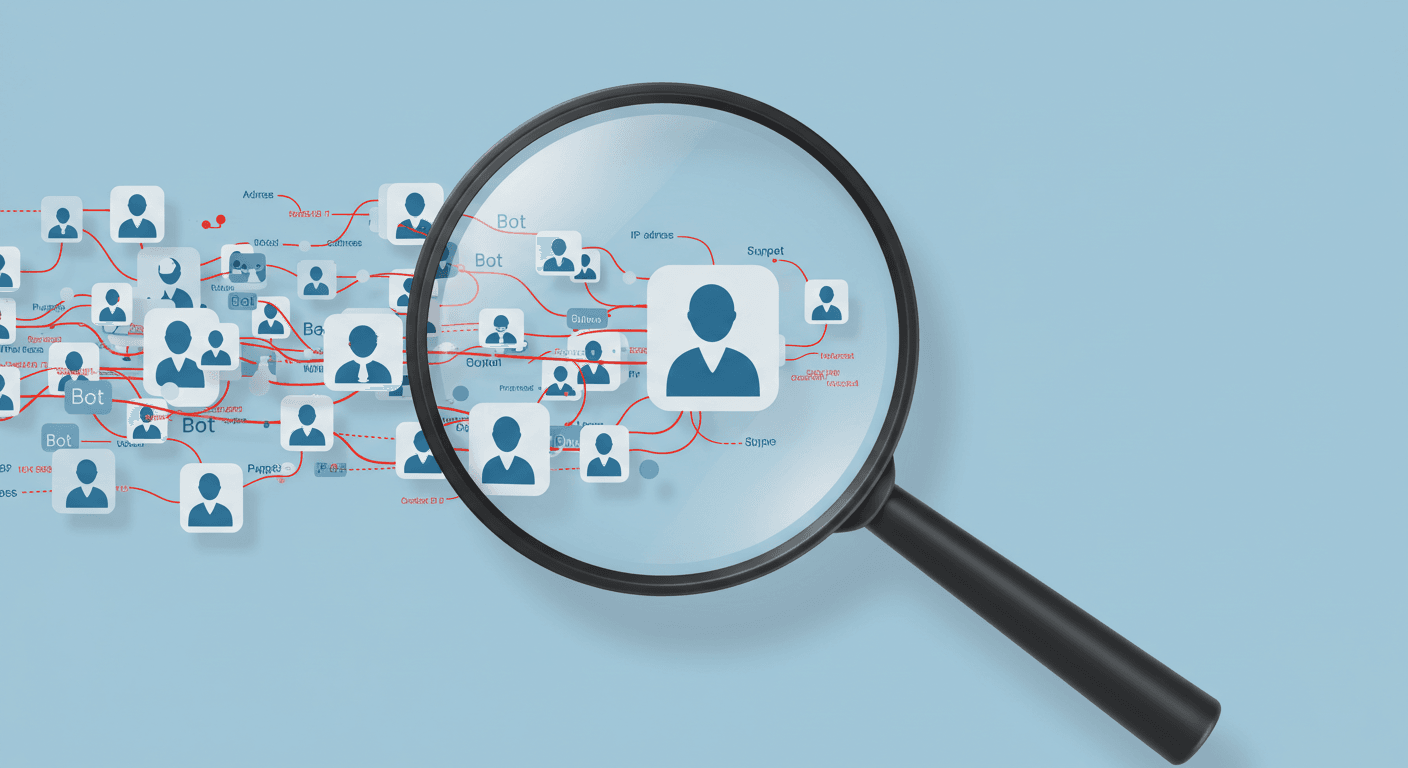
| Step 1 | Start as a 50/50 Experiment | Split your existing campaign traffic in half. Add click fraud protection to both branches and compare IVT (Invalid Traffic) rates. |
| Step 2 | Activate Click Fraud Protection | Connect a click fraud protection tool like ClickSambo to both campaign branches. |
| Step 3 | Review Search Terms Report Weekly | Track which terms are triggering your ads. Instantly turn irrelevant terms into negative keywords. |
| Step 4 | Set Brand Safety Controls | Secure your brand safety by using AI Max’s brand inclusion/exclusion features. |
| Step 5 | Evaluate IVT Alongside CPA and ROAS | Even if conversion metrics improve, a high invalid traffic rate can indicate polluted data |

Conversion Increase
%14
Long-Tail Increase
+%27
Efficiency Loss
43x
CPA Reduction
-%21No registration required, no credit card needed. Get your free anomaly report now.
 Get Free Savings Report
Frequently asked questions
For a healthy learning process, a daily budget of at least $50 and 30 conversions in the last 30 days are recommended.
No, AI Max for Search only works at full capacity with smart bidding strategies such as "Maximize Conversions.





 Other
Other