
 Features
  Industry Verticals
  Customer Segments
  Fraud Types
  Resource
 About
About  Legal
Legal Support

 Erdinç Kaddoura
Updated Date:
How Bot Traffic Detection Helps Improve Website Security and Analytics

Have you ever looked at your analytics and noticed a big traffic increase, but no additional sales or leads? Much of this could be bot traffic. Bots are automated programs that endlessly browse the internet, behaving as human users. There are good bots, such as search engine crawlers, that help you get ranked on Google. Some can be malicious and harm your website or interfere with your site's analytics. Bot traffic detection tools can help you identify and block bad bots and clean up your data, so you can make better decisions for your business.
What Is Bot Traffic?
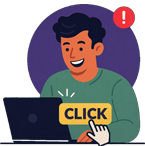
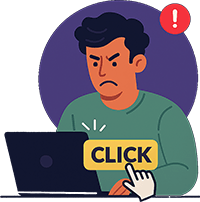
Bot traffic is any traffic to a website from a computer program. Bots can visit pages, click on links, submit forms and even simulate mouse movements or keystrokes. Bot traffic comes in two forms.
Good bots - These are search engines (such as Googlebot) and site monitoring tools that help keep your site up and running, or check your search engine rankings. These assist with indexing your site and keeping it running.
Bad bots - These are bad programs. They could steal your content, attempt to log in to your account, bombard your server with fake requests, or generate fake traffic to skew your statistics.
Up to 30-50% of traffic for many sites is bots. Without bot traffic fraud protection, your site could incur additional hosting fees, reduce its speed and result in inaccurate data.
Why Bot Traffic Detection Matters?
Bot traffic detection involves determining which traffic is from bots and what to do with it. Software examines user behaviour, device and geographical location. This is important for both website security and analytics.
On the security side, blocking shady bots can prevent hacking and theft. From an analytics perspective, blocking bad bots helps ensure you're not seeing fake traffic. If you don't catch it, you could be reporting a higher (or lower) performance than you actually have.
How Bot Traffic Detection Improves Website Security

Bad bots can cause real harm. They can attempt to guess passwords, identify vulnerabilities in your website, or overwhelm your server with traffic so it's unavailable for users. They can make your website slow, crash, or even go down.
Bot traffic filtering solutions can help your site in a number of ways.
Prevents Scraping and Stealing
Scrapers steal your product prices, descriptions and blog content. This lets them price lower or steal your work. An effective bot detection system can identify bots that rapidly access multiple pages (such as all your products) and stop them before they steal all your data.
Prevents Account Takeovers
Other bots attempt to log into your site using stolen or brute-forced passwords. Also known as credential stuffing, bot protection systems monitor for multiple failed attempts from the same IP (Internet Protocol) address or multiple IPs in a short period. In this case, it can deny access from that IP or require further security measures, like two‑factor authentication or CAPTCHA.
Reduces the Server Load and the Risk of DDoS
Bot traffic detection can also detect fake traffic that could bring down your server. Some solutions use a content delivery network (CDN), which automatically blocks the bad traffic. This ensures your website remains fast and responsive, even during a bot attack.
How Bot Traffic Detection Improves Analytics
When your analytics treats fake bot traffic as real users, your data can be distorted. You could assume your blog articles are highly read, or your advertising is bringing in good traffic, but much of it could be fake.
Filtering out bot traffic makes your data more accurate. Here are three reasons why.
Better Conversion Metrics
If bots are also clicking the "Add to Cart" or "Contact Us" button, your conversion rate will be overstated. Bot detection software can filter bots out of analytics data from Google Analytics. This means you will have a more accurate conversion rate of real people who may become customers.
Better Audience Insights
Analytics software segments traffic by geographic area, device, and user behaviour. With bots, you might have unusual spikes in visits from some countries and devices that are largely bots. By removing bots, your audience data reflects humans, so you can make better decisions about advertising, content and targeting.
More Accurate A/B Testing
Bot traffic can skew results if you do A/B tests on landing pages. For example, a page might appear to do better when bots clicked more links - not because humans liked it. Detecting bot traffic makes sure you only test with real users, so you know you're testing the right thing when you decide to roll out a new design.
How Bot Traffic Detection Works in Practice
Bot detectors monitor a range of factors. They observe scrolling speed, mouse movements, the user's device, and IP address. Humans act differently from bots, and the tools learn to recognise these differences. Here’s how to stop bot traffic on website.
Here's an example:
● A user visits your website.
● The bot detection script is running and analysing the user's activity.
● If the user’s behaviour appears abnormal, such as clicking through many pages very quickly, it might detect the user as a bot.
● It may then block the visitor, or ask them to complete a CAPTCHA, or even filter out the traffic from your analytics.
Many systems also employ machine learning, so the better they get at identifying bots as they see more traffic.
Tips for Using Bot Traffic Detection Effectively
Here are some tips to effectively use bot traffic detection.
➔ Choose a reliable bot detection tool that integrates with your analytics, has easy-to-understand reports, and blocks bots while still allowing legitimate users.
➔ Whitelist good bots and blacklist bad bots by whitelisting good crawlers like Google click bot and filtering or blocking bad traffic.
➔ Check your bot reports regularly to see how much traffic you are blocking, the IPs/countries sending most bots, and how much your analytics reports improve when you remove bots.
Final Thoughts
Detecting bot traffic is now a must for most sites. It boosts security, keeps your website running smoothly, and provides more accurate analytics. Whether you have a small business website, an e‑commerce website or pay for advertisements, bot traffic detection will help you make better decisions and safeguard your valuable traffic. ClickSambo identifies and blocks malicious bots in real-time, making sure you get genuine leads. To know more about the services offered, visit our LinkedIn.
Security is more than just a shield—it’s a growth driver. By neutralizing malicious bots in real-time, firms have reduced fraud by 85% and lowered server strain, allowing their marketing budget to drive a 20% increase in revenue.
 Explore Bot Traffic Solutions
Frequently asked questions
Bot traffic detection is a technique that helps you determine which traffic to your website is from bots. It analyses user behaviour, devices and IP addresses to distinguish good bots (such as search engine crawlers) from bad bots (such as scrapers and hackers) to block bot traffic or filter them.
Failing to manage bot traffic can result in increased server expenses, reduced site performance, inaccurate analytics and fraudulent conversions. And it can mask security threats such as account hacking or data theft. Bot traffic detection ensures your data is clean and your site is safe.
Detecting bot traffic excludes fraudulent traffic from your analytics, so you can report on actual user visits. It improves conversion rates, user insights, and A/B tests, allowing you to make informed marketing decisions, rather than being misled by false positives.
Select a bot traffic detection or bot management service that integrates with your analytics service (such as Google Analytics) or content delivery network, add the tracking code or security layer, add trusted bots (such as Googlebot) to the allowlist, and check reports to fine-tune the rules and avoid blocking legitimate users.



 Other
Other