


 Erdinç Kaddoura
Updated Date:
10 Techniques for Click Fraud Detection and Prevention
Clicks Coming In, but No Customers?
If you've ever run ads, you know that mix of excitement and anxiety. You hit "publish" and wait. In the first few hours, clicks start coming in. You check the dashboard every five minutes. It feels like progress.
But then, nothing happens. No calls. No sign-ups. Not even a question. Just a growing number of clicks and… silence.
You start wondering if your landing page is broken, or if your offer isn't strong enough.
Sometimes it is. But often, part of the problem is something many advertisers run into sooner or later: click fraud. It's quiet, easy to miss and can be more common than you might think.
How Click Fraud Hides in Your Numbers
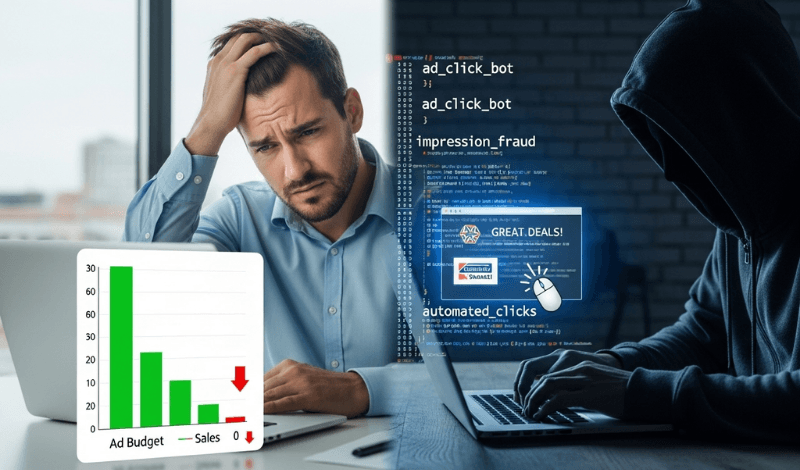
Click fraud isn't obvious. You won't get a message saying, "Hey, bots just clicked your ad 30 times."
You usually notice it only when your numbers stop making sense. You see traffic, but no interest. "Visitors" who leave within a second. Dozens of clicks from places you didn't target.
You're not imagining it, and you're not bad at marketing. You may simply be paying for fake attention.
What Click Fraud Actually Costs You

It's not just about wasted money. The real damage goes deeper: it distorts your data.
Campaigns can look busy and promising when they aren't. You start optimizing for fake patterns, chasing fake results and losing trust in your own numbers.
That's usually the moment advertisers start looking for click fraud protection. Tools like ClickSambo exist for exactly that reason: to keep your budget safe and your analytics honest.
Once you see how it works, it feels a lot like putting an alarm system on your ads.
1. IP Tracking and Exclusion
Every click comes with an IP address. Think of it as the click's digital return address.
Fraud detection tools watch for unusual activity.
The same IP clicking ten times in a row? Excluded.
A surge from a region you never targeted? It stands out.
Clicks from VPNs or proxies? Flagged.
You don't have to do it by hand. The system excludes these sources automatically, so they stop draining your ad spend.
Simple, but it works.

2. Device Fingerprinting
Fraudsters love to change IP addresses, clear cookies and pretend to be someone new.
But their devices give them away.
Every phone, tablet and computer has a "fingerprint": small technical details like screen size, browser type, time zone and more.
Fraud detection tools recognize these details.
So even when someone switches networks, the system can still say, "I've seen this device before."
It's like recognizing someone's face even when they put on a different hat.

3. Behavioral Analysis
People move with intention.
They scroll. They pause. They hover over things. They read.
Most bots don't.
They click and leave.
Behavioral analysis notices that difference. If a visit lasts half a second, or ends before the page even loads, it's very likely a bot.
Once a source is flagged, it's excluded from your campaigns automatically.

4. Location Checks
Let's say you're a local business in Charlotte.
You're running ads for local customers.
But a large share of your clicks comes from the other side of the world.
That's a strong warning sign.
ClickSambo's location reports show where every click comes from, so mismatched regions are easy to spot.
Combine that with location targeting set to people actually in your area, and those clicks stop eating into your budget.
Because if they're not your audience, they shouldn't be spending your money.

5. AI-Powered Detection
AI isn't just hype here. It's genuinely useful.
ClickSambo's behavioral AI, for example, looks at several signals together:
| Timing between clicks |
| Device details |
| Behavior patterns |
| VPN, proxy and Tor use |
Combined with click thresholds set for your industry, it can tell normal traffic from suspicious patterns.
When something looks off, the source is excluded automatically.
You don't have to do anything.
It's like having someone watch over your campaigns 24/7, quietly protecting them.

6. Real-Time Blocking
Some tools just tell you about click fraud after it’s too late.
That’s not protection — that’s a report.
Real-time systems like ClickSambo exclude a fraudulent source as soon as it’s identified.
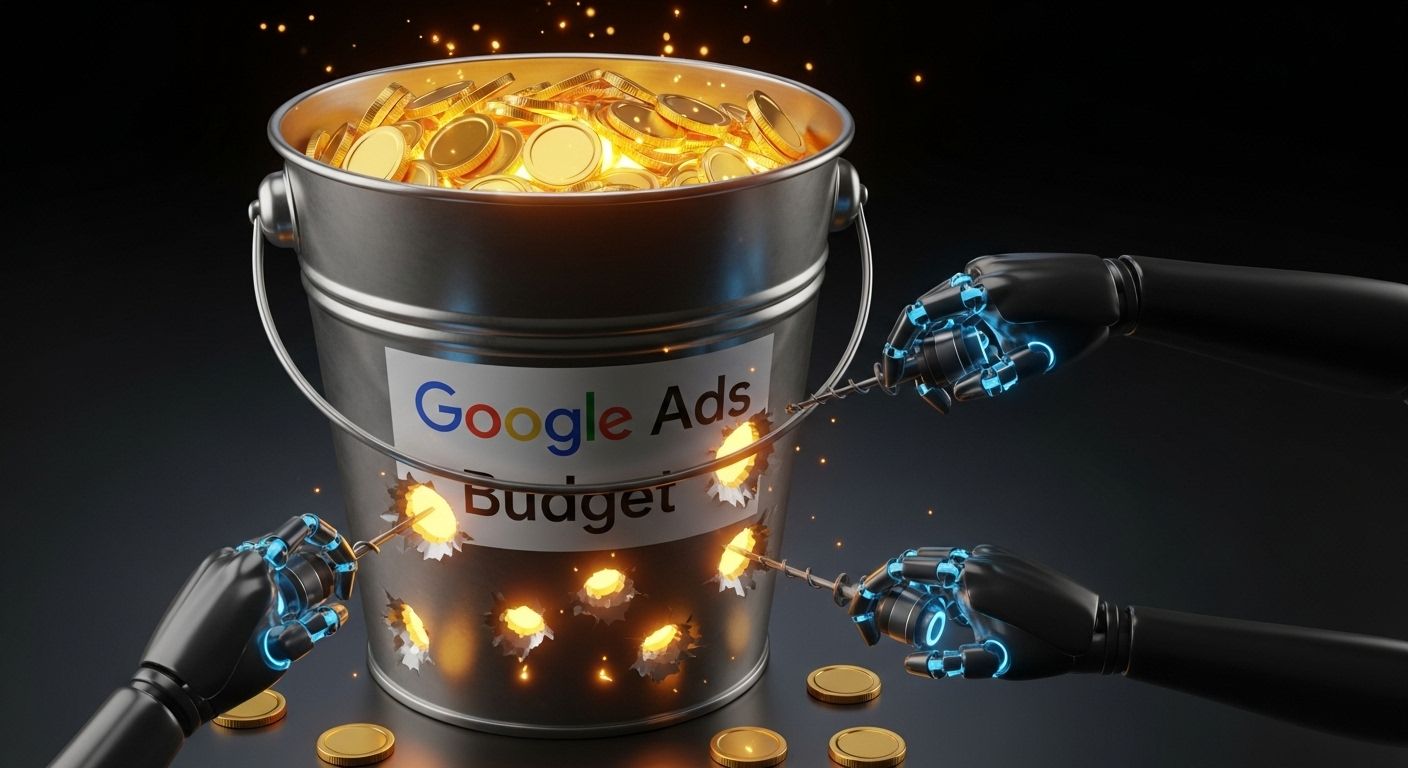
So repeat fake clicks stop draining your budget.
It’s prevention, not cleanup.
7. Custom Rules
This one's practical.
Not every business sees the same click patterns. A locksmith may get several real clicks from one customer in an hour, while a software company rarely does.
ClickSambo comes with click thresholds pre-set for your industry, and you can adjust them, along with rules like VPN blocking.
Strict on fraud, easy on real customers.

8. Direct Google Ads Integration
Good click fraud protection doesn't work in isolation.
ClickSambo connects directly to your Google Ads account and adds fraudulent sources to your exclusions automatically.
You don't have to upload lists or run reports.
Excluded IPs simply stop seeing your ads.
That's how it should be.

9. Post-Click Analysis and Feedback to Google
Clicks aren't the goal.
You want people who actually stay, read, buy and get in touch.
ClickSambo tracks what happens after the click.
If visitors from a source keep leaving instantly, that's a bad sign.
Fraudulent visitors are sent back to Google Ads as negative signals. Over time, this helps Google show your ads less often to similar low-quality traffic.
You don't just save money. You start getting more genuine traffic.

10. Clear Fraud Reports
Nobody wants another confusing report full of buzzwords.
ClickSambo's reports show you exactly what happened:
- How many fake clicks were blocked.
- Where they came from, by location, keyword and placement.
- Which types of fraud were detected.
Simple. Visual. Honest.
So you can stop guessing and start trusting your numbers again.

Why This Actually Matters
Because fake clicks don't just take your money. They take your clarity.
They make good ads look bad and bad ads look good.
They mess with your A/B tests.
They waste your time.
Click fraud protection gives you back control.
It keeps your data cleaner, so you can make decisions based on real signals, not noise.
That's the real win.

The Bottom Line
Every click you pay for should come from a real person, someone who might actually care about what you offer.
But that's not always how the internet works anymore.
So you protect yourself.
You use a tool like ClickSambo, which quietly blocks bots and fraudulent sources, adapts to your industry's click patterns and keeps more of your budget going to real traffic.
You don't have to think about it every day. You can see in your reports that it's working.
And that peace of mind? It's worth more than all the fake clicks in the world.

Manual checks can't keep up with bots. Let ClickSambo detect fraudulent clicks and exclude their sources from your Google Ads campaigns automatically.
 Calculate Your Ad Spend Loss
Frequently asked questions
No. ClickSambo's fingerprinting doesn't identify who a person is. It reads the technical signature of the device, such as browser, screen size and time zone. This lets ClickSambo recognize a bot or click farm that keeps returning on the same devices without collecting personally identifiable information (PII). ClickSambo is GDPR and CCPA compliant.
Yes. ClickSambo's click thresholds come pre-set for your industry, and you can change them at any time to match how your real customers behave. You can also turn rules like VPN and proxy blocking on or off, for example if some of your genuine customers browse through a work VPN.
Google filters many invalid clicks automatically and credits others later, after the money has already been spent. ClickSambo adds another layer on top of that: it excludes fraudulent sources as soon as they're identified, so repeat clicks stop draining your daily budget and real customers can keep seeing your ads throughout the day.
Yes. ClickSambo's location reports show fraud by country on a map, along with a table of regions and the number of fake clicks from each. If you see a surge from a region you don't serve, you can use that to tighten your Google Ads location targeting.



 Other