
 Features
  Industry Verticals
  Customer Segments
  Fraud Types
  Resource
 About
About  Legal
Legal Support

 Özgül Yavuz Kaddoura
Botnet Click Fraud: How to Detect & Stop Attacks
How Botnet Click Fraud Steal Your Ad Budget?
Your Google Ads campaign looks great on the surface—impressions are up, and your Click-Through Rate (CTR) is soaring. Yet, your budget is vanishing with no corresponding increase in sales or leads. You're likely under attack by a silent, invisible army designed to do one thing: steal your money through automated click fraud.
Understanding Bots and Botnets
Bots: The Lone Soldiers
A "bot" is simply a software application that runs automated tasks over the internet. In the context of ad fraud, a bad bot is a script designed to mimic a human user, visit websites, and click on ads. A single bot can generate hundreds or thousands of fraudulent clicks a day, but it's still just one entity.
Botnets: The Organized Army
An Ad Fraud Botnet (a portmanteau of 'robot network') is where the real danger lies. It's a network of thousands, sometimes millions, of compromised computers, mobile phones, and IoT devices (like smart cameras and routers) that are all controlled by a single attacker, known as the "botnet operator." This operator can command their entire army to perform a coordinated action simultaneously—like clicking your ads.
Why Botnets are used for Click Fraud?
➔ Massive Scale: A single operator can unleash thousands of clicks in minutes, draining daily budgets instantly before anyone notices.
➔ Anonymity & Evasion: Because the clicks come from thousands of different devices with unique IP addresses across the globe, the attack looks like a legitimate surge in user traffic. This makes it incredibly difficult for basic fraud detection systems to identify the pattern.
➔ High Profitability: Fraudsters often own the websites where the ads are placed (in the case of Display or YouTube ads) or are hired by unethical competitors to drain a rival's budget. The cost of operating the botnet is minuscule compared to the potential payout from stolen ad spend.
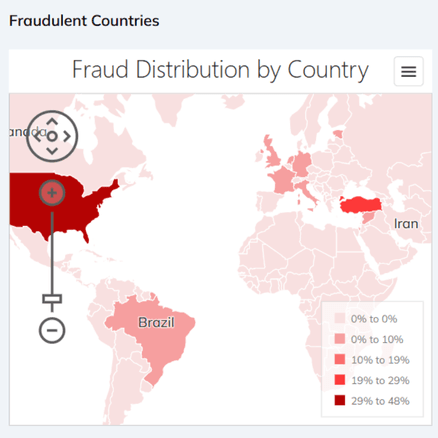
Bot Traffic Detection: Spotting the Attack
Identify botnet activity in your account by watching for these critical red flags:
| Unexplained Traffic Spikes | Watch for sudden surges in clicks (e.g., a 500% jump) |
| Geographic Anomalies | Monitor for high traffic volumes originating from regions outside your target market |
| Low-Quality Placements | Audit your Display and YouTube reports. |
| Impossible Metrics | Flag traffic with "robotic" patterns: a near-100% bounce rate, sub-one-second session durations, and unnaturally high CTRs. |

Your Real-Time Bot Traffic Fraud Protection
➔ Advanced Behavioral Analysis: ClickSambo analyzes user behavior patterns in real-time. If traffic exhibits non-human characteristics—like impossible click speed or lack of mouse movement—it's instantly flagged and blocked.
➔ Device & Network Fingerprinting: Botnets often originate from data centers, not residential internet providers. ClickSambo identifies these technical fingerprints and acts to block bot traffic.
➔ Customizable Rules For Bot Detection: You can set your own custom thresholds for click frequency and automatically block traffic from VPNs or proxies, which are often used to mask botnet activity.
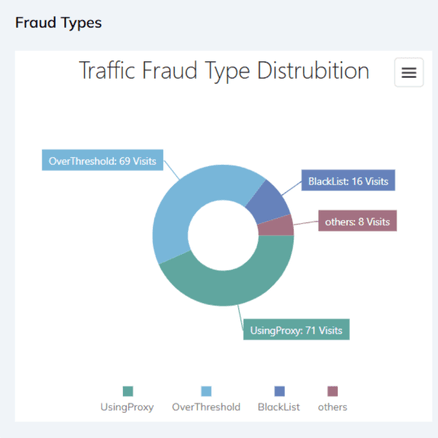
Botnets use residential IPs to bypass security. Use Browser Fingerprinting to stop them.
 Stop Botnet Attacks
Frequently asked questions
Standard filters often look for General Invalid Traffic (GIVT), such as known blacklisted IPs or repeat clicks from one source. Ad Fraud Botnets use thousands of unique, compromised residential devices (IoT and smartphones). Since each click comes from a "clean" home IP, it bypasses basic frequency caps and geographic blacklists.
The C&C is the central server used by a fraudster to send instructions to infected "zombie" devices. A single command can tell 1,000,000 devices to click a specific ad simultaneously. This is why botnet attacks result in instant budget exhaustion—the scale is too large for manual intervention.
Yes. In 2026, botnets are frequently built on "headless" browsers running on compromised IoT devices. While the device sits on a user's shelf, its processor is being used to visit your landing pages and "click" your ads in the background, making it look like legitimate residential traffic.
ClickSambo looks beyond the IP address. We analyze Hardware Signatures and Behavioral Biometrics. Even if a botnet uses a new residential IP, its "Interaction Entropy" (how it moves and clicks) remains robotic. We identify these technical mismatches and Block Bot Traffic before it drains your budget.




 Other
Other